Home Electrical Safety Checklist: Prevent Hazards Year-Round
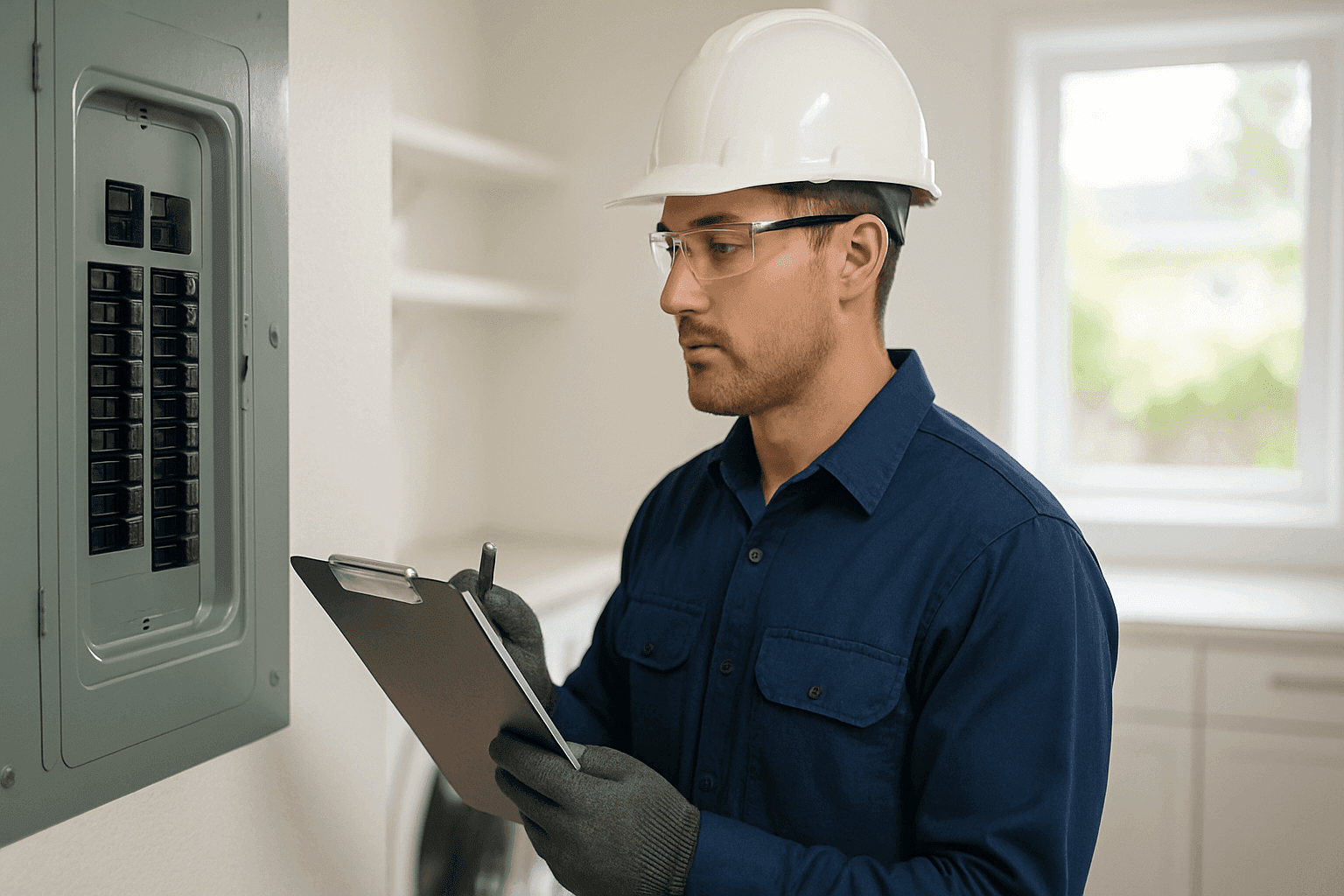
Is your home or workplace as electrically safe as it should be? Problems can hide behind walls, waiting until the worst moment to spark trouble. At R L Electricals, we know electrical safety isn’t just about ticking boxes—it’s about peace of mind for you, your family, or your team.
Every year, electrical hazards cause thousands of fires, outages, and injuries. Many of these are preventable with regular checks and a little know-how. Whether you’re a homeowner or you manage a business, use our practical checklist to stay ahead of problems and keep your property safe.
General Electrical Safety
Think of your electrical system like the nervous system of your building. If one part goes wrong, it can send shocks everywhere. Here’s how to keep things running smoothly:
- Visually inspect wires, panels, and connections. Look for discoloration, strange smells, or buzzing.
- Keep water away from outlets and cords. Bathrooms, kitchens, and outdoor areas are high-risk.
- Never overload circuits. Plugging too many devices into one outlet is like asking a bridge to hold more cars than it’s built for.
- Check that extension cords aren’t permanent solutions. They’re for temporary use only.
If you see flickering lights, experience frequent breaker trips, or hear a crackling sound, those are red flags. Schedule a professional electrical safety inspection without delay.
Outlets, Switches & Cords ⚡
Worn-out outlets and cords can turn one spark into a major problem. Here’s your quick check:
- Outlets: Are any cracked, loose, or warm to the touch? If yes, they’re due for repair.
- Switches: Do they work smoothly, or do you need to wiggle or force them?
- Cords: Replace frayed, pinched, or damaged cords right away. Don’t run cords under rugs—this traps heat.
- Test GFCIs: Ground Fault Circuit Interrupters (those “reset” and “test” outlets, especially in kitchens and baths) should trip and reset when tested monthly.
Smoke and CO Detectors
Smoke and carbon monoxide (CO) detectors are your early warning system, like a fire alarm for your peace of mind.
- Test alarms monthly. Press and hold the test button until you hear a beep.
- Change batteries every 6 months, even if they seem fine.
- Replace detectors every 7–10 years (check the label for the date).
- Install at least one smoke detector per floor and near sleeping areas.
- CO detectors: Required wherever fossil fuels are burned (heating, dryers, fireplaces).
According to the National Fire Protection Association (NFPA), working alarms cut home fire deaths in half. Don’t skip this step.
Panel & Breaker Checks
Your electrical panel is the brain of the operation. A healthy panel means a safer home or business.
- Look for rust, moisture, or burn marks on the panel.
- Label all breakers—it’s easier to shut off the right circuit in a hurry.
- Test breakers: Flip each one off and on annually. If any feel loose or won’t reset, call a licensed electrician.
- Upgrade panels if your home or business is over 30 years old or if you’re adding major appliances or an EV charger.
The Electrical Safety Foundation International (ESFI) recommends professional inspections for aging panels or after renovations.
Seasonal Considerations 🌦️
Different times of year bring new electrical safety challenges. Here’s what to watch for:
- Storm season: Secure outdoor outlets, check surge protection, and unplug sensitive electronics if storms are forecast.
- Holiday lights: Use only UL-listed lights. Don’t daisy-chain extension cords.
- Heating and cooling: Space heaters and AC units should plug directly into outlets, never extension cords.
- Pools and spas: Have a certified electrician inspect wiring and GFCIs before summer.
- Generators: Use generators outside, at least 20 feet from buildings, and install transfer switches if you rely on backup power.
Quick Safety Checklist
Before you finish, take this room-by-room walk:
- Living areas: Test all outlets and switches, check for signs of wear.
- Kitchen: Inspect appliances and GFCI outlets.
- Bedrooms: Make sure smoke/CO detectors are present and working.
- Basement/garage: Check panels, look for exposed wires, and test lighting.
- Outside: Confirm outdoor outlets are weather-rated and protected.
Document your findings—a simple notebook or phone note works. This log is handy if you need to call an electrician or file insurance claims.
DIY vs. Call a Pro
Some fixes are safe for you to do—testing detectors, replacing batteries, or plugging in a surge protector. But if you see any of these, stop and call a licensed electrician:
- Warm or sparking outlets
- Frequently tripped breakers
- Burning smells or buzzing panels
- Power outages affecting only parts of your home or business
- Flickering lights that don’t resolve with new bulbs
Attempting electrical repairs without proper training is like driving with your eyes closed. It’s not worth the risk.
What Pros Do On Arrival
When you hire an electrician for an electrical system installation near you, here’s what to expect:
- Visual inspection: Looking for code violations and obvious hazards.
- Panel testing: Checking breaker function and panel health.
- Outlet and circuit testing: Ensuring safe voltage and grounding.
- Thermal imaging: Some electricians use special cameras to find hot spots behind walls.
- Written report: You’ll get a summary of issues and recommended fixes.
Professionals work to National Electrical Code (NEC) standards and local regulations. This keeps you compliant and protected.
Prevention & Maintenance
Preventing problems is better (and cheaper) than fixing them later. Here’s how:
- Schedule annual inspections. Especially in older homes or busy commercial spaces.
- Upgrade outdated wiring and panels before adding new appliances or renovations.
- Install surge protection for the whole house, not just individual devices.
- Keep clear access to panels and outlets.
- Educate your household or staff about basic electrical safety.
These habits extend the life of your electrical system and reduce costly downtime or emergencies.
Costs & Time Factors
Electrical safety doesn’t have to break the bank. Here’s what to consider:
- Inspections: Typically take 1–2 hours for a standard home; longer for large or commercial properties.
- Minor repairs: Outlet or switch replacements are usually quick.
- Panel upgrades or rewiring: More complex jobs may take a day or more.
- Cost factors: Age of the building, accessibility of wiring, and the scope of work.
Investing in safety now often prevents much larger expenses down the road.
When It’s an Emergency 🚨
Call for emergency service immediately if you notice:
- Burning smells or visible smoke from outlets or panels
- Power loss in critical areas (medical equipment, refrigeration, security systems)
- Water damage near electrical outlets or systems
- Sparking wires or exposed circuits
Turn off the main breaker if safe to do so, evacuate if necessary, and wait for a licensed electrician to arrive.
FAQ
How often should I get a professional electrical safety inspection?
At least every 3–5 years for homes, and annually for businesses or rental properties. After major renovations, always check again.
Are surge protectors necessary if I have modern wiring?
Yes. Power surges can happen from lightning or grid switching, not just old wiring. Whole-home surge protectors add another layer of defense.
Can I install a new light fixture or ceiling fan myself?
You can, but only if you’re comfortable turning off breakers, using the right tools, and following manufacturer instructions. When in doubt, contact a licensed electrician.
Are smart home devices safe to install on old wiring?
Smart devices often draw minimal power, but old or ungrounded wiring can still be risky. Always inspect and upgrade wiring as needed.
Local/Seasonal Considerations
In your area, seasonal weather patterns—like summer storms or winter freezes—can strain your electrical system. Heavy rain or snow may seep into outdoor outlets, while high summer usage can overload circuits. Before each season, perform a quick safety walkthrough, and after any major weather event, check your system for signs of trouble.
If you’re planning renovations or upgrades (like adding EV chargers, new appliances, or a spa), consult an electrician for code compliance and capacity checks.
Electrical safety isn’t a one-time job—it’s an ongoing commitment. Taking a few minutes each season to review this checklist can protect your family, employees, and property for years to come.
Call R L Electricals now — or reach us anytime at 877-838-7159 .