How to Troubleshoot Common Electrical Problems in Your Home or Business
Electricity is something most people don't think about—until the lights flicker, the breaker trips, or an outlet goes cold. When that happens, you need answers fast.
At R L Electricals, we know electrical issues can bring your home or business to a standstill. Some problems are small and easy to handle. Others are warning signs of something much bigger. Knowing the difference could save your property—or even your life.
Identifying the Problem
Not all electrical problems are created equal. Some are the thunder before the storm, others a minor hiccup. Here’s how to spot the most common culprits:
- Tripping Breakers: Does the power go off in one room when you plug in the toaster or turn on the AC? Your circuit breaker could be doing its job—protecting you from overload.
- Flickering Lights: Like a candle in the wind, flickering lights can point to loose wiring, faulty fixtures, or a problem with your utility provider.
- Dead Outlets: No juice? Outlets can stop working because of a tripped breaker, a blown fuse, or a wiring fault behind the scenes.
- Warm Switches or Outlets: If it’s hot to the touch, something’s wrong. Heat signals too much current, loose connections, or failing components.
- Sparking or Buzzing: Hear a sizzle? See a spark? That’s a red flag. Stop and read the safety checklist before going any further.
- Appliance Malfunctions: When devices work one day and not the next, the problem could be with your wiring or the appliance itself.
Quick Safety Checklist ⚡
Before you do anything, remember: Electricity is invisible but deadly. Here’s how to keep safe:
- Never touch exposed wires or attempt repairs while the power is on.
- Keep your hands dry and wear rubber-soled shoes.
- Use only insulated tools.
- If you smell burning plastic, see smoke, or hear loud popping, leave the area and call emergency services.
- Turn off power at the breaker box before inspecting outlets or switches.
- Never work alone. Let someone know what you’re doing.
Reference: The National Fire Protection Association (NFPA) and OSHA both stress the importance of these basic safety steps.
Checking Breakers and Fuses
A tripped breaker is like a bodyguard that just tackled you out of harm’s way. Here’s what to do:
- Find Your Panel: Usually in the basement, garage, or back room.
- Look for the Odd Switch: A tripped breaker sits in the middle—neither on nor off.
- Reset: Push it all the way off, then back on. If it clicks and holds, you’re in business.
- Replace Fuses Carefully: If you have an older fuse box, only use the correct rating. Never jam in a coin, foil, or oversized fuse.
If the breaker trips again immediately, or if you hear crackling, stop. You may have a short circuit or overloaded system.
Testing Outlets and Switches
Ever press a light switch and nothing happens? Or plug in your laptop and get silence?
- Plug in a Lamp or Phone Charger: Simple, but effective. If it works elsewhere but not here, the outlet is likely the problem.
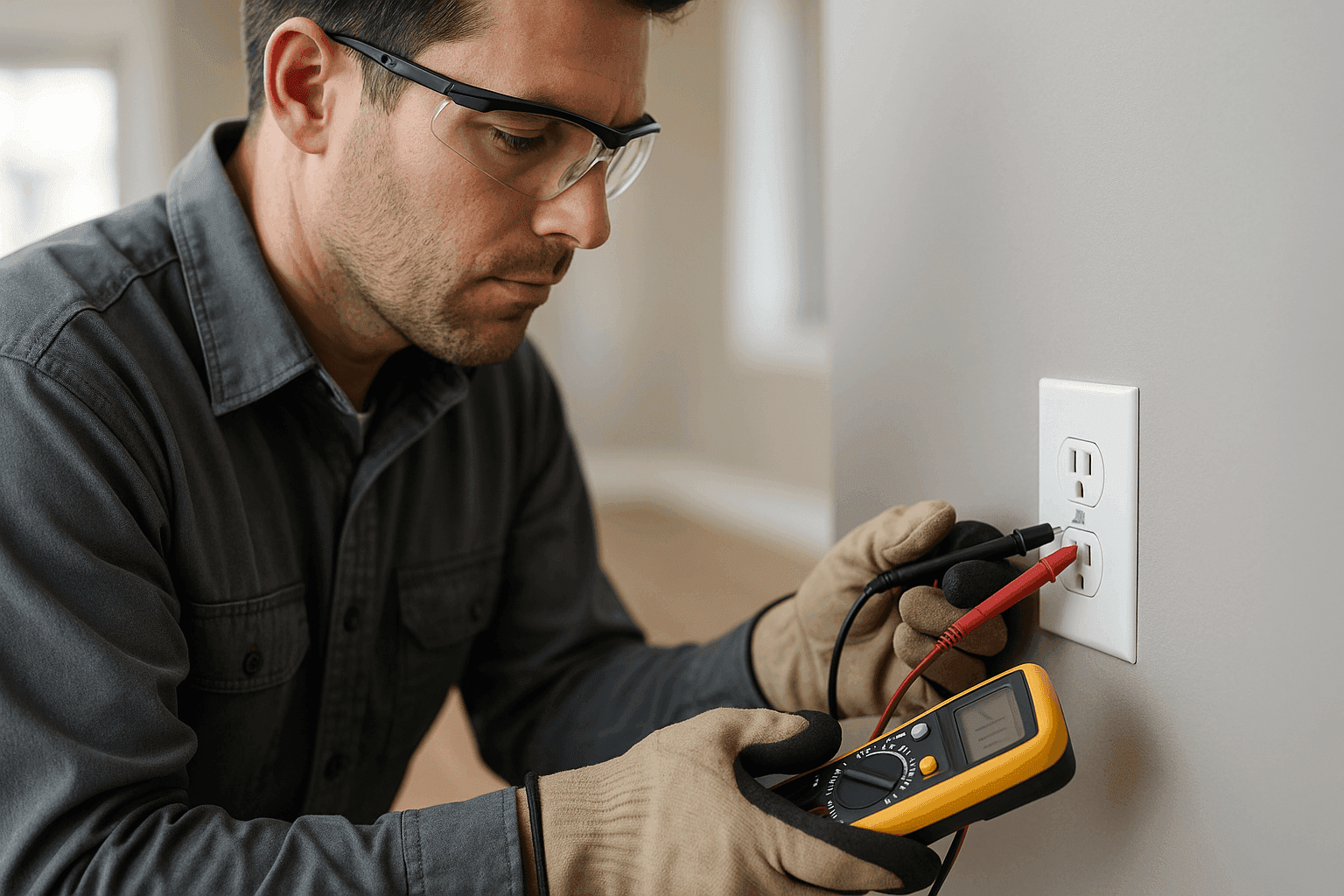
- Test with a Multimeter: These tools measure voltage. No reading? The circuit is dead.
- Check for GFCIs: Bathrooms, kitchens, and outdoors will often have Ground Fault Circuit Interrupters. Hit the reset button and see if power returns.
- Inspect for Loose Plates or Wobbling: If the outlet or switch moves, the wiring behind may have come loose.
If you find scorch marks, melted plastic, or any sign of burning, do not touch. Call a qualified electrician immediately.
When to Call a Professional
DIY has its limits. Here’s when to step back:
- Repeatedly Tripping Breakers: If you reset it and it keeps tripping, there’s likely a deeper issue—possibly faulty wiring or an overloaded circuit.
- Burning Smell or Heat: Smell something burning or notice outlets getting hot? That’s a fire risk.
- Sparking, Buzzing, or Flickering: Especially if it happens often or is accompanied by visible damage.
- Major Installations or Repairs: Upgrading panels, installing backup generators, or rewiring? Leave it to the pros.
- Water Damage: Any time water has reached outlets, switches, or breaker boxes, call for help.
R L Electricals is available for 24 hour service and emergency electrical repairs. Don’t wait until a small issue becomes a big one.
Real-World Example
A local business owner noticed his lights flickering every time he ran the coffee machine. He thought it was just "old wiring" and ignored it—until one morning, the breaker tripped, and he couldn’t reset it. Our team found a loose neutral wire in the panel. Left unchecked, that could have started a fire.
What Professionals Do on Arrival
Here’s what you can expect when a qualified electrician arrives:
- Visual Inspection: Looking for signs of damage, overheating, or incorrect wiring.
- Testing Circuits: Using specialized gear to check voltage, continuity, and load.
- Identifying Overloads: Matching the capacity of your circuits to the devices in use.
- Code Compliance: Ensuring everything meets safety standards (such as those set by the National Electrical Code).
We go beyond just flipping the breaker—we find the root cause and make it safe for everyone.
Prevention & Maintenance
The best way to avoid trouble is to keep your system healthy.
- Schedule Regular Inspections: Especially in older homes or businesses.
- Upgrade Outdated Panels: Old fuse boxes and undersized panels struggle with modern demands.
- Use Surge Protection: Especially for sensitive appliances and electronics.
- Label Your Breaker Box: Know what controls what—don’t guess in the dark.
- Install Smoke & Carbon Monoxide Detectors: Early warning saves lives.
Costs & Time Factors
Electrical repairs range from quick fixes to larger projects. Here’s what affects the cost and timeline:
- Simple Fixes: Resetting a breaker or replacing an outlet can take 10–30 minutes.
- Diagnostics: Tracing a hidden wiring fault might take 1–2 hours.
- Major Work: Installing backup generators, rewiring, or upgrading panels will take longer and require permits.
Remember, cutting corners with electrical work is never worth it. Safety comes first.
When It’s an Emergency 🚨
Some situations can’t wait:
- Smoke, Fire, or Visible Sparking: Evacuate and call emergency services.
- Power Outages in Critical Areas: Hospitals, commercial kitchens, or security systems.
- Water Damage: Flooded basements or wet breaker panels are dangerous.
If you’re ever unsure, err on the side of caution and call an electrician.
FAQ
Q: Why does my breaker keep tripping?
A: Usually an overloaded circuit, short, or a faulty appliance. If it won’t reset, get help.
Q: Is it safe to replace an outlet myself?
A: Only if you’re comfortable turning off the main breaker, using insulated tools, and following code guidelines. If unsure, call a pro.
Q: My lights flicker when I use the microwave—is that normal?
A: Minor dimming can be normal, but frequent flickering is a sign of shared or overloaded circuits.
Q: How often should I get a safety inspection?
A: For homes, every 5–10 years; for businesses, every 1–3 years or after any major renovation.
Local/Seasonal Considerations
- Storm Season: Lightning can cause surges. Install whole-house surge protection.
- Winter: Electric heaters put extra strain on circuits—inspect before the cold hits.
- Older Neighborhoods: Vintage wiring may not handle today’s electrical loads.
Final Thoughts
Electrical problems rarely fix themselves. Spotting issues early can prevent bigger headaches down the road. When in doubt, it’s always safer to call in a qualified electrician for Electrical System Installation near you.
Call R L Electricals now — or reach us anytime at 877-838-7159 .