Electrical Panel Upgrades: When, Why, and How Much Does It Cost?
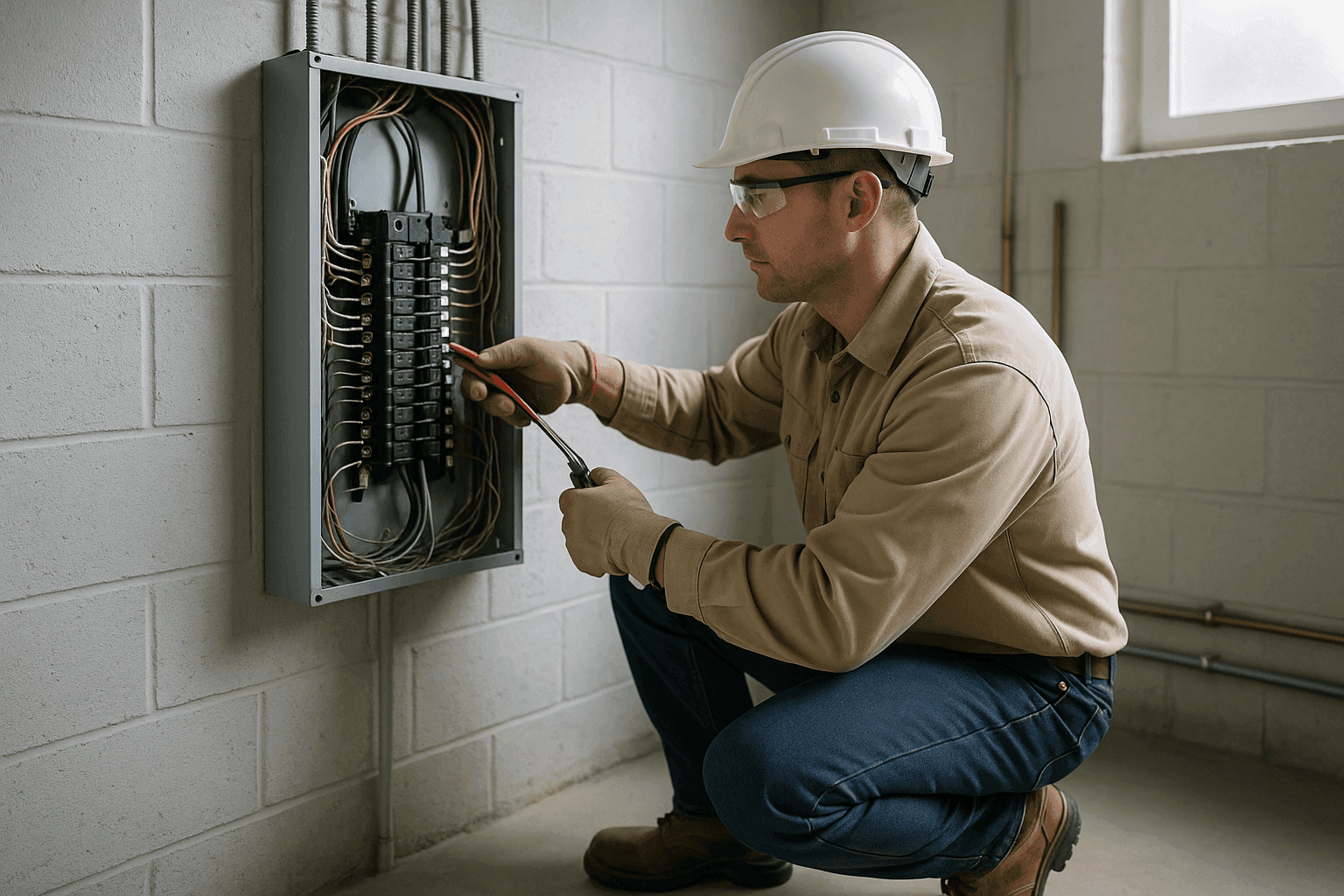
Electricity is a silent workhorse in every home and business. But when your electrical panel struggles, it’s not just a nuisance—it can be dangerous. At R L Electricals, we’ve seen how a tired old panel can hold back your plans, from kitchen remodels to adding backup generators or EV chargers.
If you’re noticing breakers tripping or lights flickering, you’re not alone. It’s a common sign your system needs attention. Let’s walk through what really matters when it comes to electrical panel upgrades: when to do it, why it counts, and what you might expect to pay.
What Is an Electrical Panel? ⚡
Think of your electrical panel as a traffic controller. It safely routes electricity from the utility line to outlets, appliances, and devices throughout your building. Each circuit breaker inside acts like a bouncer—if too much current tries to crash the party, the breaker shuts things down before trouble starts.
Panels come in different shapes and sizes, but their job is always the same: protect your property and everyone inside. Without a healthy panel, even the most reliable wiring or newest appliance doesn’t stand a chance.
Modern panels support:
- High-demand appliances (like air conditioners, EV chargers, and induction stoves)
- Home automation and smart tech
- Enhanced safety features (arc fault breakers, surge protection)
- Future upgrades—think of it like adding extra lanes to a busy road
Signs You Need an Upgrade
Some signs are subtle. Others shout for help.
- Frequent breaker trips: If you’re resetting breakers every week, it’s not just annoying—it’s your panel waving a red flag.
- Flickering or dimming lights: Especially when turning on a major appliance. This hints at overloaded circuits or loose connections.
- New large appliances or renovations: Upgrading your kitchen, installing a pool, or adding a home office? Your panel may not keep up.
- Outdated fuse box: Still using screw-in fuses? That’s technology from a different era.
- Burn marks or odd smells: Any warmth, scorch marks, or burning odors around the panel is a serious warning.
- Home over 30 years old: Original panels often lack the capacity and safety features needed today.
Real talk: a panel is like your building’s heart. If it’s struggling, everything else suffers.
Panel Upgrade Costs
Let’s cut to the chase. What should you budget?
The price of an electrical panel upgrade depends on several things:
- Panel size (amperage): Most modern homes need at least 200 amps.
- Complexity: Is it a straight swap, or does wiring/circuitry need major changes?
- Existing conditions: Panel location, accessibility, and local code requirements.
- Extra features: Surge protection, whole-home backup, or smart monitoring.
Typical range:
- Basic upgrade: $1,500–$2,500
- Larger homes/businesses or complex work: $2,500–$5,000+
- Specialty installations (high voltage, custom builds): Can exceed $7,000
These are ballpark figures. Factors like permits, utility coordination, and unforeseen issues can push costs up or down. A licensed electrician can provide a written estimate after an on-site assessment.
The Upgrade Process 🛠️
Wondering what actually happens during a panel upgrade? Here’s how R L Electricals approaches it—step by step.
- Initial Assessment: We review your current panel, discuss your needs, and check for code compliance issues.
- Permitting & Scheduling: Upgrades almost always require permits. We handle the paperwork and coordinate with your power company.
- Preparation: Safety first. Power is shut off. We protect flooring and nearby areas.
- Panel Removal: The old panel and breakers come out (along with any unsafe wiring).
- Installation: The new panel is mounted, secured, and wired. All connections are double-checked and labeled.
- Inspection: A local inspector (per National Electrical Code and local rules) ensures everything meets safety standards.
- Power Restoration: Once approved, we restore service and test every circuit.
Pro tip: Expect the process to take anywhere from 4–10 hours, sometimes over two days for larger projects. Plan ahead, especially if you’re running a business.
Safety & Code Requirements
Electrical work isn’t the place to cut corners. National Electrical Code (NEC) and local building codes set strict rules for panel upgrades:
- Proper grounding and bonding: To prevent shock hazards
- Correct panel sizing: To handle your current and future electrical needs
- Arc fault and ground fault protection: Modern panels help prevent fires and shocks
- Labeling: Every breaker must be clearly marked
Panels installed decades ago often miss critical safety features—like tamper-resistant breakers or surge protection. An upgrade brings peace of mind and reduces the risk of fire or electrical shock.
Refer to resources like the National Fire Protection Association (NFPA) 70 or your local building department for up-to-date code guidance.
Real-World Scenarios
- A growing family: Adding a second oven and a hot tub? You’ll likely max out a 100-amp panel. Upgrading to 200 amps lets you expand safely.
- New business tenant: Bringing in heavy machinery or more workstations requires more circuits and capacity.
- Electric vehicle charging: Level 2 chargers often need dedicated 240V circuits and additional panel space.
We’ve helped homeowners and commercial clients navigate everything from sudden failures to planned upgrades for remodels and expansions.
Practical Tips Before You Upgrade
- Inventory your electrical needs: List new appliances, future plans, and pain points. This helps size your panel accurately.
- Check your insurance: Some insurers require upgrades for older panels—especially if safety recalls exist.
- Schedule during downtime: Businesses may want upgrades outside of working hours to minimize disruption.
- Don’t ignore warning signs: Burn marks, buzzing, or persistent breaker trips aren’t “quirks”—they’re risks.
Frequently Asked Questions
Q: Can I upgrade my panel myself?
A: Electrical panel upgrades require technical skill, permits, and code knowledge. DIY is not recommended—mistakes can be fatal.
Q: How do I know if my panel is recalled or unsafe?
A: Some brands and models (e.g., certain Federal Pacific or Zinsco panels) have known safety issues. A licensed electrician can check and advise.
Q: Will an upgrade increase my property value?
A: Yes—modern electrical systems are a strong selling point and can help with insurance.
Q: How soon should I upgrade after noticing problems?
A: Don’t wait. Persistent electrical issues can escalate quickly. Schedule an inspection right away.
Local and Seasonal Considerations 🏡
- Storm season: Lightning and power surges can damage older panels. Surge protection is a smart add-on.
- Older neighborhoods: Many homes still have 60–100 amp service, which isn’t enough for modern living.
- Business growth: If you’re expanding, plan electrical upgrades early to avoid delays.
Why Choose R L Electricals for Your Panel Upgrade
Our team is fully licensed, insured, and experienced in both residential and commercial upgrades. We handle everything—from Electrical System Installation near you to code compliance, safety inspections, and ongoing maintenance.
Upgrading your electrical panel is an investment in safety, efficiency, and peace of mind. Planning an addition, buying new appliances, or experiencing issues? Let’s talk.
Call R L Electricals now — or reach us anytime at 877-838-7159 .