How to Prepare Your Home’s Electrical System for Storms and Emergencies
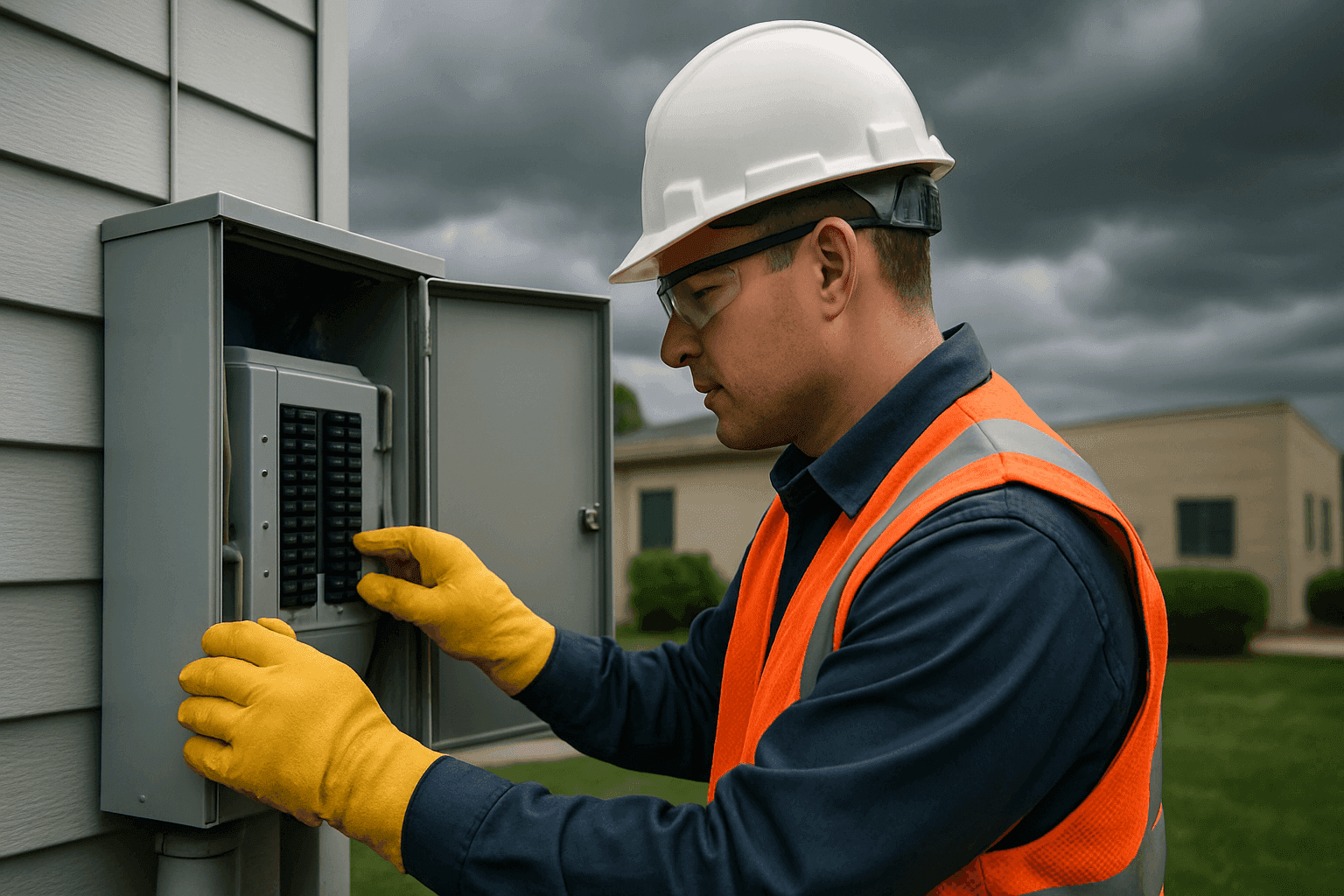
Big storms don’t wait for your schedule. Neither do power outages. When the sky darkens and the wind howls, your electrical system should be the last thing you worry about.
But the truth is, a little preparation can mean the difference between staying safe and facing costly repairs. At R L Electricals, we’ve helped countless homeowners and businesses brace for the unexpected. Here’s how you can get ready—one practical step at a time.
Assessing Your Electrical System
Before the rain falls or the first thunder rumbles, take a walk through your property. Think of your electrical system as the heart of your home or business—if it’s strong, everything else runs smoothly.
- Start with your circuit panel. Is it labeled? Can you easily shut off the main breaker if needed?
- Look for signs of wear: frayed wires, scorch marks, or outlets that feel loose.
- Check ground fault circuit interrupters (GFCIs). These are your first defense against shocks, especially in kitchens, bathrooms, and outdoors.
- Update old wiring. Older homes may still have aluminum or knob-and-tube wiring, which is far more vulnerable to storm damage.
If you’re not sure what you’re looking for, this is the perfect time to call a licensed electrician for an electrical safety inspection. Routine checks don’t just spot problems—they prevent them.
Installing Surge Protection ⚡
A lightning strike can send a surge through your whole electrical system in a split-second. Surge protectors act like a safety net, catching those spikes before they fry your TV, computer, or appliances.
- Whole-house surge protectors: These are installed at your main panel and guard everything inside.
- Plug-in surge strips: Use these for sensitive electronics, but remember—they’re the backup singers, not the lead.
- Follow the manufacturer’s instructions. Not all surge protectors are created equal. Look for ones that meet UL 1449 standards for safety.
According to the National Electrical Code (NEC), surge protection is now required in new or remodeled homes. For businesses with expensive equipment, it’s a no-brainer. Don’t leave this step until the forecast says “severe.”
Backup Power Options
When the lights go out, backup power keeps your essentials running. Not all generators are created equal, though.
- Portable generators: Good for a few key appliances, but never run them indoors—carbon monoxide is deadly.
- Standby generators: These kick in automatically. They’re wired directly into your electrical system by a professional electrician, so there’s no fumbling in the dark.
- Battery backup systems: For critical devices like medical equipment or computers, a battery system can buy you precious time.
Test your generator regularly. Keep fresh fuel and know how to operate it safely. The Electrical Safety Foundation International (ESFI) recommends installing carbon monoxide detectors near sleeping areas when using any kind of generator.
Securing Outdoor Electrical 🌧️
Outdoor outlets, lights, and circuit boxes are on the front lines when storms hit. Think of them as your property’s armor.
- Weatherproof covers: Make sure all outdoor outlets have covers rated for wet locations—even when something’s plugged in.
- Inspect extension cords and garden lighting: Are they rated for outdoor use? If not, bring them in.
- Secure loose wiring: High winds can turn a simple cable into a dangerous whip.
- Clear away debris: Branches and leaves can trap moisture against outlets and panels, inviting corrosion or shorts.
For pool, spa, or landscape lighting, confirm everything is bonded and grounded according to local codes. Water and electricity are a risky mix—don’t take chances.
Post-Storm Safety 🛑
The storm ends, but the danger sometimes lingers. Before flipping breakers or plugging things back in, walk through this quick safety scan:
- Look for standing water. Never enter a flooded basement or room until you’re sure the power is off.
- Check for visible damage: Downed power lines, snapped poles, or broken outlets are all red flags.
- Smell for gas or burning: If you detect gas or smoke, evacuate and call emergency services right away.
- Test outlets and circuits one at a time. If anything trips or sparks, leave it off and call an electrician.
If you have a backup generator, turn it off before utility power is restored to avoid dangerous backfeed.
Quick Safety Checklist
- Label your main panel and breakers clearly.
- Unplug sensitive electronics before storms.
- Keep flashlights and fresh batteries handy.
- Check that smoke and carbon monoxide detectors are working.
- Store your electrician’s emergency number in your phone.
- Review your insurance for electrical storm coverage.
DIY vs. Call a Pro
Some storm prep is simple. Unplugging your TV? Easy. But when it comes to electrical system installation, rewiring, or generator hookups, the DIY route can be risky—and sometimes illegal.
- DIY-friendly: Plug-in surge strips, checking GFCIs, unplugging devices.
- Call a professional electrician: Whole-house surge protection, panel upgrades, rewiring, generator installation, pool and spa electrical.
If you’re searching “Electrical System Installation near you,” remember: only licensed electricians can sign off on upgrades and ensure compliance with the latest codes.
What Pros Do On Arrival
When you call R L Electricals, here’s what happens next:
- Inspection: We assess panels, breakers, and wiring for storm readiness.
- Surge protection: Install or test protection devices.
- Generator readiness: Test, fuel, and review safe operation.
- Outdoor check: Secure and weatherproof all exterior electrical.
- Safety education: Walk you through safe shutdown and start-up procedures.
No guesswork. No shortcuts. Just clear, step-by-step service.
Prevention & Maintenance
Preparedness isn’t a one-time event. Like changing the oil in your car, electrical maintenance should be routine.
- Schedule annual safety inspections.
- Test GFCIs and AFCIs monthly.
- Replace worn outlets or switches.
- Upgrade old panels as needed.
- Have surge protection reevaluated every few years.
The National Fire Protection Association (NFPA) recommends regular checks to reduce fire and shock risks—especially if your area is prone to storms.
Costs & Time Factors
Storm-proofing your electrical system can range from a quick fix to a significant investment. A whole-house surge protector might take an hour or two to install. Standby generators can require a day or more and some coordination with utility providers.
- Surge protection: Usually under half a day.
- Generator setup: One day for portable, up to a few days for standby units.
- Safety inspections: 1–2 hours, plus time for any recommended fixes.
Budget for both the work and any needed parts—don’t wait until prices spike after a storm.
When It’s an Emergency
If you spot sparking wires, smell burning, or see standing water near electrical equipment, it’s time to act.
- Turn off the main breaker—if you can do so safely.
- Evacuate if there’s fire, smoke, or flooding.
- Call emergency services and your electrician.
Never try to fix storm damage yourself. Electricity is invisible but powerful—respect it, and let professionals handle repairs.
FAQ: Common Storm Prep Questions
Q: Will a surge protector save all my electronics? A: Surge protectors help, but nothing is foolproof. Unplugging devices is the safest bet during severe storms.
Q: Can I run a generator in my garage with the door open? A: Never run generators indoors, even with ventilation. Carbon monoxide is colorless and deadly.
Q: How often should I check my electrical system? A: At least once a year, or after any severe storm event.
Q: My lights flicker when it’s windy. Is that normal? A: Frequent flickering could mean loose wiring—have it checked right away.
Local/Seasonal Considerations
Storm season varies by region, but every area faces its own electrical threats—whether it’s hurricanes, blizzards, or summer lightning strikes.
- Coastal regions: Salt air can accelerate corrosion—inspect outdoor boxes more often.
- Urban areas: Overhead lines are more vulnerable to wind and tree damage.
- Rural homes: Generator readiness is even more critical, since restoration times may be longer.
Check with your local authority having jurisdiction (AHJ) for the latest code requirements and recommendations tailored to your region.
Storms don’t give warnings—but you can be ready. For reliable electrical system installation near you, or if you need help preparing your home or business for severe weather, R L Electricals is here to keep you safe and powered up.
Call R L Electricals now — or reach us anytime at 877-838-7159 .